
BFAST aligned one billion DNA reads in less than 24 hours
BFAST aligned one billion short DNA sequences, enough to fully resequence a human genome, with high sensitivity and accuracy on a modest computer cluster in less than 24 hours. Homer N, Merriman B, Nelson SF reported the result in PLoS One on 11 November 2009. Their freely available tool matched DNA sequences to a reference genome while accounting for sequencing errors and real genetic differences.
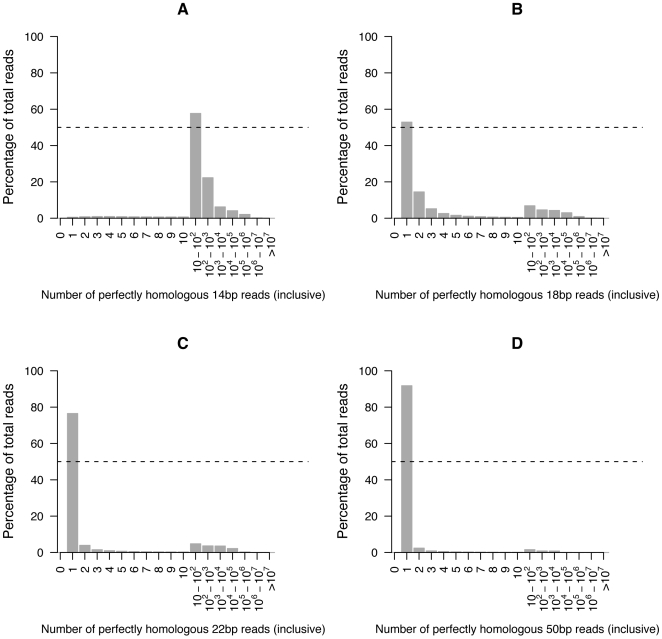
Matching billions of short DNA sequences to their positions in a reference genome required accuracy as well as speed. These sequences, called reads, were in the 25-100 base range, with each base representing a letter in the DNA sequence. Sequencing errors and biological variation made it harder to place them correctly.
BFAST used whole genome indexes as lookup guides to find possible locations for each read, narrowing the search before making a closer comparison. Users could supply multiple independent indexes to help the tool handle errors and sequence variants. It then used the Smith-Waterman method to compare sequences locally, allowing gaps to detect small insertions and deletions: stretches of DNA added or missing relative to the reference.
The authors compared BFAST with BLAT, MAQ, SHRiMP and SOAP using simulated and real-world datasets. They reported substantially greater sensitivity, meaning it found more alignments despite errors and true genetic differences, especially insertions and deletions. It also reduced incorrect matches while maintaining adequate speed compared with the other methods.
Users could adjust the balance between speed and accuracy. BFAST supported data from any sequencing platform current at publication, including paired end data, where reads came from both ends of a DNA fragment. It could distribute work across a computer cluster and run multiple processing threads. The implementation was made available at http://bfast.sourceforge.net.