
DNA microarray detected an uncharacterized coronavirus in SARS patient isolate
A DNA microarray detected a previously uncharacterized coronavirus in a viral isolate grown from a patient with severe acute respiratory syndrome (SARS) during the March 2003 outbreak. Researchers then recovered genetic fragments directly from the array and sequenced them, confirming that the virus was a new member of the coronavirus family. The study, “Viral discovery and sequence recovery using DNA microarrays,” was published in PLoS Biol on 17 November 2003.
The microarray was designed to detect a wide range of known viruses and unfamiliar members of existing viral families. It contained selected stretches of viral genetic material, each 70 DNA building blocks long, drawn from every fully sequenced reference viral genome in GenBank, a database of genetic sequences.
Researchers chose the most highly conserved sequences, meaning stretches that remain similar across related viruses. Those similarities allowed the array to detect a virus that had not previously been characterized, even though its design drew on viruses whose genetic sequences were already known.
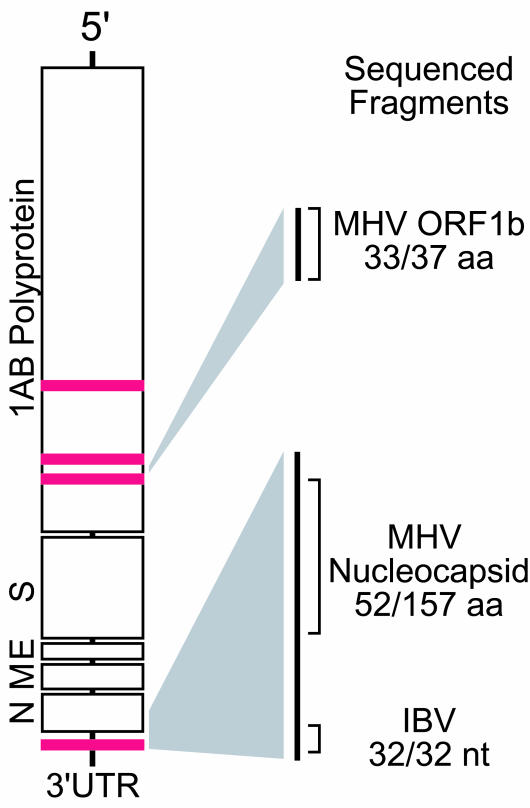
Detection was followed by an effort to recover genetic material for closer examination. Material from the virus had attached to sequences at individual spots on the array, a process called hybridization. The team physically recovered viral sequences from those spots and cloned approximately 1 kb of the unknown virus genome. That means making copies of about 1,000 genetic letters, or bases. Sequencing, which reads the order of those letters, confirmed that the fragments came from a new member of the coronavirus family.
The authors proposed using array detection followed by direct sequence recovery as a general strategy for identifying and characterizing new viruses associated with emerging infectious disease.