
MetaCyc and BioCyc added searches and linked pathway diagrams
MetaCyc contained more than 2400 metabolic pathways drawn from more than 46,000 publications, while BioCyc held 5700 organism-specific genome databases, according to an update published in Nucleic Acids Res. on 2 November 2015. The paper described additions made over the preceding two years to these resources for studying metabolism, the chemical reactions of living organisms. Users gained new ways to search the databases and draw connected pathways, alongside energy values for compounds and reactions.
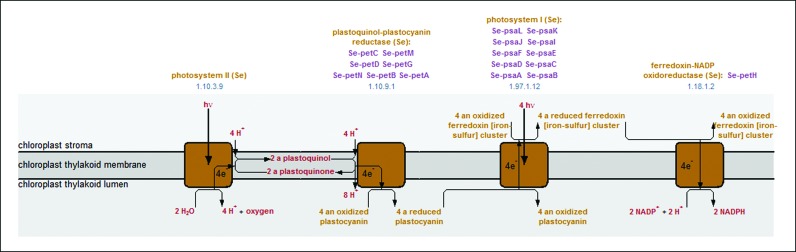
MetaCyc was freely accessible and covered all domains of life. Most of its pathways described experimentally determined small-molecule metabolism: linked reactions involving small chemical compounds. It was the largest curated collection of metabolic pathways, with entries assembled from published research.
Each BioCyc database paired an organism's full genome with a predicted metabolic network, a map of its chemical reactions. Those maps were predictions. The records included metabolites, the compounds involved in metabolism, and enzymes, which help reactions occur. They also covered pathways and transport systems, along with predicted operons, groups of genes that operate together.
The new searches gave researchers several ways to find records. Users could look for genes by patterns in their sequences or find databases by an organism's phenotypes, its observable characteristics. They could also search across organisms. A metabolite identifier translation service connected the different identifiers used for the same metabolic compound.
A new diagram tool let users place multiple linked pathways in one image. The website also offered Omics Viewers for viewing large biological datasets in the context of pathways, as well as tools for comparing organism databases. The update added Gibbs free energy values for compounds and reactions, describing the energy available for chemical reactions to proceed. The main gene and protein page was redesigned.