
Citrus green mold fungus genomes show differences linked to fungicide resistance
Two strains of Penicillium digitatum, the fungus that causes green mold in harvested citrus, had highly similar genomes but differed in features linked to fungicide resistance. The study, published in BMC Genomics on 21 November 2012, compared the genomes of two strains isolated in Spain with those of 28 other fungi. The resistant strain contained a unique group of genes and mutations previously shown to confer fungicide resistance. The authors reported the first complete genome of a plant-disease-causing Penicillium species.
The researchers sequenced the genomes to investigate how P. digitatum causes disease and why it infects such a restricted range of hosts. Green mold is a common disease of citrus after harvest, making the genome a resource for studying an economically important pest.
They also compared mitochondrial DNA, the genetic material in cells' energy-producing structures. The two strains isolated in Spain and another isolated in China had identical mitochondrial genome sequences. The authors said this suggested a recent worldwide expansion of the species.
P. digitatum had substantially fewer genes than its close relative P. chrysogenum, which does not cause plant disease. That smaller gene content was consistent with a more specialized lifestyle. Large stretches of the P. chrysogenum genome were absent from P. digitatum. The analysis attributed the differences to expansions of gene families, groups of related genes, rather than the acquisition of DNA from another organism.
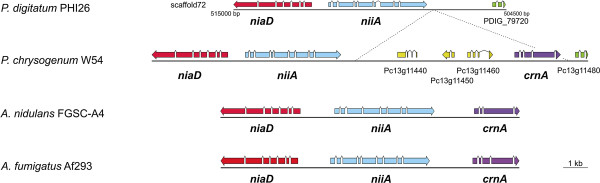
The genome analysis also pointed to sexual reproduction requiring compatible mating partners. It revealed the molecular basis for the fungus's inability to use nitrate, a nitrogen source, or produce the compounds patulin and penicillin.
The team predicted which proteins the fungus releases outside its cells. These predictions provided a first approximation of the set of proteins it uses while growing into host tissue.