
Grape study found 1477 genes with shared ripening activity across three seasons
A set of 1477 genes changed activity in similar ways across three growing seasons as Vitis vinifera L. grapes ripened, a study published in BMC Genomics on 22 November 2007 found. Pilati and colleagues compared berries collected before and after véraison, the transition into ripening. They measured gene activity using the Affymetrix Vitis GeneChip, which contains approximately 14,500 unigenes, entries representing distinct genes. They also observed a rapid buildup of hydrogen peroxide starting at véraison. This event, called an oxidative burst, had not previously been detected in grapevine.
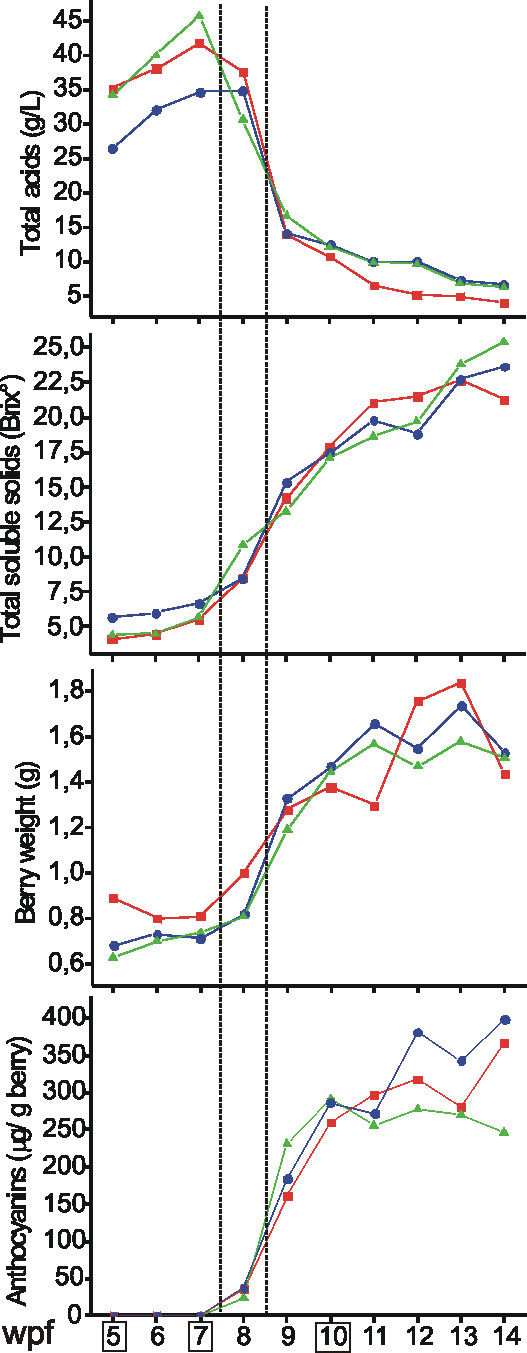
The analysis separated berry development into two distinct phases. Before véraison, cells were reorganizing their metabolism. Numerous active genes were involved in hormone signalling and controlling the activity of other genes. After véraison, metabolism became specialized for ripening and producing the characteristics of the ripe berry. At the transition, the hydrogen peroxide buildup coincided with changes in enzymes that remove reactive oxygen compounds, chemically reactive substances that include hydrogen peroxide.
Grouping genes by biological function revealed five categories that were more strongly represented than expected. During ripening, genes involved in building and organizing cell walls became more active. Activity also increased in genes involved in carbohydrate metabolism, the production of other plant compounds and responses to stress. Genes associated with photosynthesis, the process plants use to capture light energy, were strongly suppressed.
About 19% of the shared set consisted of genes involved in regulation. These included genes for proteins that control other genes, as well as genes involved in hormone metabolism and passing signals within cells. Auxin and ethylene, both plant hormones, and light emerged as the main influences on berry development.
Although the core set showed similar activity changes across seasons, the comparison also identified ripening-related genes whose activity appeared strongly affected by seasonal weather conditions. Within families of related genes, the researchers distinguished versions specifically associated with ripening.
The authors described the regulatory genes as a resource for investigating how ripening is controlled in non-climacteric plants. Grapevine belongs to this group, whose fruit ripening is not driven by a surge in respiration and ethylene.