
Oral cancer study detected microRNA changes in saliva and oral rinses
Differences in microRNA levels and chemical marks on DNA distinguished saliva and oral rinses from oral cancer patients and healthy volunteers in a study published in PLoS One on 22 November 2011. Wiklund ED and colleagues examined these changes in oral fluids from 15 patients with oral squamous cell carcinoma, a type of mouth cancer, and 7 healthy volunteers. MicroRNAs are small molecules involved in regulating gene expression. The authors suggested that cancer-associated microRNA patterns in oral fluids had a potential clinical application.
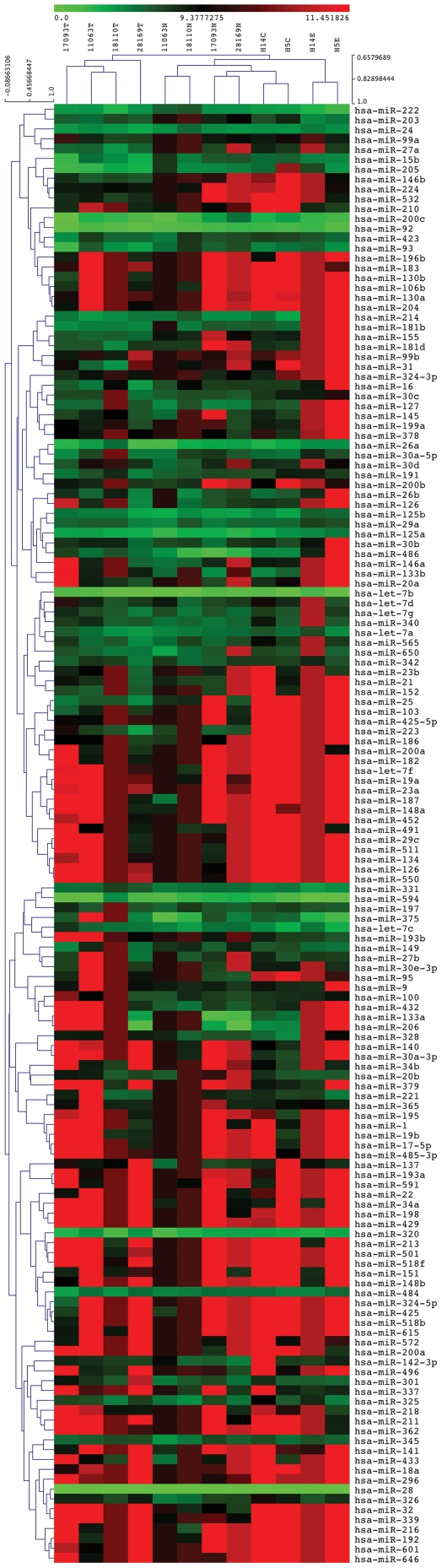
The researchers also examined 25 tumors with matched adjacent tissues from patients, alongside 8 paired samples of oral stroma and epithelium from healthy volunteers. Stroma is the supporting tissue; epithelium is the surface lining. MicroRNA levels followed consistent patterns across these healthy tissue types. In patients, however, the patterns were broadly altered in both tumors and adjacent tissue.
The team measured microRNA expression, meaning the levels present, using TaqMan® qRT-PCR arrays and individual assays. They examined associated DNA methylation changes using the MassArray® mass spectrometry platform. Methylation involves chemical marks on DNA that help regulate gene expression without changing the DNA sequence.
Individual microRNAs showed different changes. MiR-375 levels were reduced in oral squamous cell carcinoma, while miR-127 levels increased. The researchers also confirmed previous reports of increased methylation of the miR-137 gene in oral cancer. They identified miR-375, miR-127, miR-137, the miR-200 family and miR-205 as candidates for further investigation.
The pattern differed between tumors overall and particular cells within them. The miR-200 family and miR-205 showed increased expression in tumors compared with normal tissues, associated with changes in DNA methylation. But these microRNAs were suppressed in CD44(high) oral cancer stem cells sorted from primary tumors. CD44(high) identifies cells with high levels of the CD44 cell-surface marker; cancer stem cells can sustain tumor growth. Their microRNA suppression occurred without increased DNA methylation. The authors suggested that silencing these microRNAs in those cells might drive tumor expansion and progression.
In the oral fluid comparison, altered miR-375 and miR-200a levels, together with methylation changes in the miR-200c-141 gene region, were detectable in patients' saliva and oral rinses. These differences distinguished the patients' samples from those of healthy volunteers.