
DNA sequencing found 145 bacterial genera in chronic wounds, culture found 14
DNA sequencing picked up 145 bacterial genera in samples from 51 chronic wounds. Aerobic culture, which grows bacteria in the lab with oxygen present, found 14. The comparison comes from a study published in BMC Infectious Diseases on 24 November 2012 by D. D. Rhoads, R. D. Wolcott and three colleagues, who tested parallel samples from each wound by both methods. The molecular test, culture-free 16S ribosomal DNA sequencing, identifies bacteria from a gene they carry instead of growing them. Of the genera found by sequencing, 68 were aerotolerant. That means they can survive in oxygen, which is the condition aerobic culture relies on.
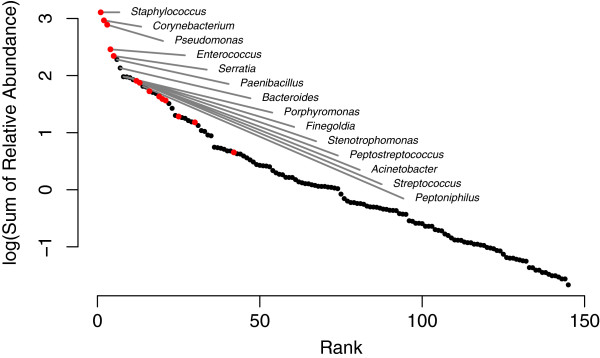
Chronic wounds affect millions of people in the United States and cost billions of dollars there each year, the authors note. The wounds harbor polymicrobial biofilms, communities of many kinds of bacteria living together, and culture can struggle to sort out what is in them. Molecular tests were increasingly being used as part of standard patient care. They are more sensitive than culture, so clinicians were getting markedly different results depending on which approach the lab used.
Neither method caught everything. At the genus level, sequencing identified 85% (78/92) of the bacteria found by culture. The figure running the other way was much lower: culture detected 15.7% (78/497) of the aerotolerant bacteria and 54.9% of their combined relative abundance. Relative abundance is a score from the molecular test that shows what share of a sample's bacteria each organism accounts for. By that score, one third of cultured bacteria (31/92) made up less than 1% of their wound's bacteria.
Regression modeling, a statistical way of testing how well one measure predicts another, showed that culture was more likely to detect aerotolerant genera with higher relative abundance scores. The same pattern was reported for individual species, among them Staphylococcus aureus and Pseudomonas aeruginosa.
In practice, two laboratory tests on the same wound can come back with different lists of bacteria. The authors wrote that such discordance between molecular and culture testing is often observed. Even so, they concluded that sequencing and its relative abundance score can give clinicians insight into which bacteria are most abundant in a sample and which are most likely to be detected by culture.