
UCSC Genome Browser's 2015 update brings hg38 and a 100-species alignment
The 2015 update of the UCSC Genome Browser database was published in Nucleic Acids Research on 26 November 2014. It reported a browser for GRCh38, the first new human genome reference assembly in 4 years. UCSC calls this assembly hg38, and its browser was released in December 2013. The authors also counted a 100-species multiple alignment and conservation annotation among the year's highlights and called it a watershed for comparative genomics. Alongside that came a new way to distribute the browser itself, called Genome Browser in a Box, or GBiB. K. R. Rosenbloom was first author of the 29-author paper.
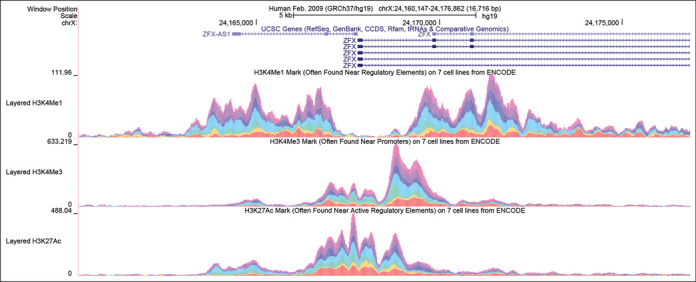
The browser was launched in 2001 to showcase the draft human genome assembly. An assembly is a species' DNA sequence pieced together in order. By late 2014 the authors described the database and its associated tools as a comprehensive resource of genome assemblies and annotations for scientists and students worldwide. Annotations are labels that mark features such as genes along a sequence.
The hg38 browser brought that new human reference assembly into UCSC's viewer. The 100-species alignment places matching stretches of DNA from 100 species side by side. It came paired with a conservation annotation.
The Chinese hamster and the elephant shark got browsers of their own, and so did the minke whale. In the team's own words, it also "mined the web" for DNA sequences. On screen, the browser gained stacked color graphs and region highlighting.
Sharing grew as well. The paper says users were increasingly adopting UCSC track hubs and assembly hubs, which are formats for sharing large-scale genomic annotation data sets and genome sequencing projects. As they did, the menu of public data hubs tripled.