
Study finds 351 genetic variants tied to morning preference in nearly 700,000 people
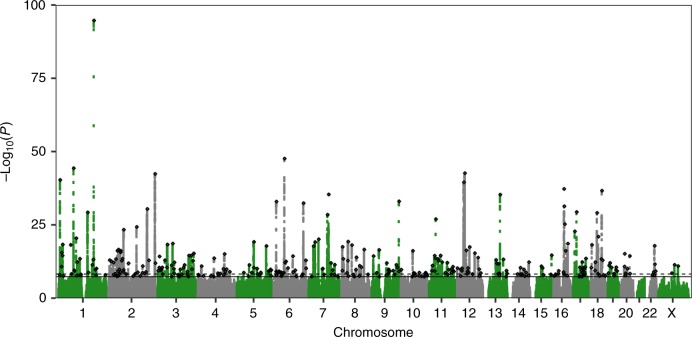
A genome-wide analysis of 697,828 UK Biobank and 23andMe participants identified 351 genetic loci associated with being a morning person, up from 24 loci known before. Activity monitor data from 85,760 people showed that the 5 percent carrying the most morningness alleles woke an average of 25 minutes earlier than the 5 percent with the fewest such alleles. The loci are enriched for genes involved in circadian regulation, cAMP, glutamate and insulin signaling pathways, and those expressed in the retina, hindbrain, hypothalamus, and pituitary. Mendelian randomization analysis found that being a morning person is causally associated with better mental health. The study found no causal effect on body mass index or type 2 diabetes risk.
The findings offer insights into circadian biology and its links to disease in humans, revealing genetic pathways that influence circadian rhythm and suggesting morning preference may causally protect mental health.
Written by the Genomes desk from the primary source cited and linked above and checked against it. Research use only; not medical advice. Corrections: [email protected].