
RNA atlas links cell-specific gene activity across 18 cancer types
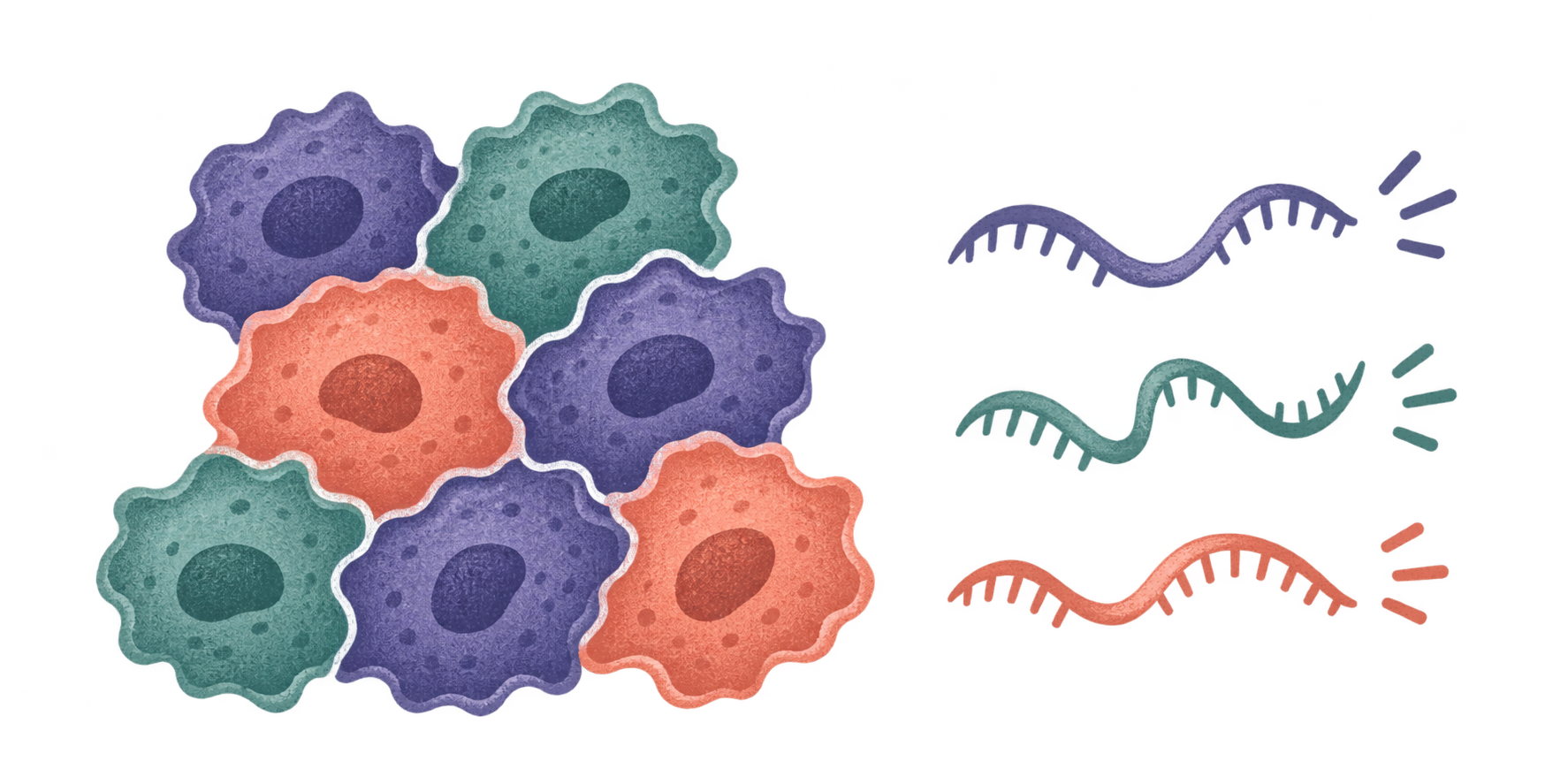
An atlas of more than 370,000 cells from 18 cancer types identified links between long noncoding RNAs, molecules that do not encode proteins, and gene activity in particular cell types. Researchers combined the atlas with experiments and clinical data to identify candidate RNAs linked to tumor cell fitness, the cells' ability to survive and grow, and immune cell characteristics. They also found RNA activity patterns correlated with patient survival and response to immunotherapy. The team included researchers at the National Genomics Data Center in Beijing. The work appeared online in Science Advances on November 18, 2026.
The atlas examined the tumor microenvironment, the cells in and around a tumor. It identified long noncoding RNAs associated with cell lineages, groups of cells with a shared developmental origin. Other RNAs were associated with transitions between cellular states.
Some of the RNAs were embedded in cell type-specific regulons, groups of genes under coordinated control. This suggested an association between the activity of those RNAs and gene activity programs concentrated in particular cell types. It did not establish that the RNAs caused those programs.
The researchers then incorporated CRISPR-based functional screens, experiments that alter selected genetic targets to examine what they do. These screens helped prioritize candidate RNAs linked to tumor cell fitness and features of immune cell states. Integrating clinical data also identified specific RNA activity patterns correlated with patient survival and immunotherapy response.
The function and regulation of long noncoding RNAs in cancer remain poorly understood. The candidates supported by CRISPR experiments narrow the set of RNAs for researchers to investigate.
Written by the Genomes desk from the primary source cited and linked above and checked against it. Research use only; not medical advice. Corrections: [email protected].